
Why Seed Oils Are a Hidden Driver of Metabolic Problems

These essays are for information only. They are not medical advice, diagnosis, or treatment. Read the full disclaimer.
Bottom Line First
Seed oils are a brand-new industrial invention — not something humans have eaten for thousands of years. They came from waste products that were chemically refined so we could consume them. Their massive rise in our food supply has tracked closely with worsening metabolic health, and the science shows why they can promote inflammation, oxidative stress, and insulin resistance.
Medical Disclaimer. This information is for educational purposes only and is not medical advice, diagnosis, or treatment. Always consult a qualified healthcare professional before making changes to your diet, lifestyle, fasting practices, or medications. Do not stop or change any prescribed treatment without your doctor's guidance. Individual responses vary, and what works for one person may not be safe or effective for another.
These oils are touted as healthy choices on ingredient lists and in marketing — “vegetable oil,” “canola oil,” and similar products. But seed oils — soybean, corn, canola, sunflower, safflower, cottonseed, and others — are actually a very recent addition to the human diet. They are not like the traditional fats our ancestors used for thousands of years.
How Seed Oils Came Into Existence
Seed oils only exist because of modern industrial technology. In the late 1800s and early 1900s, companies were looking for ways to use leftover waste from cotton mills and other manufacturing. Cottonseed oil, for example, was originally a toxic byproduct used as machinery lubricant. It could not be eaten in its raw form.
Through heavy industrial processing — crushing, heating, treating with chemical solvents (like hexane), bleaching, deodorizing, and sometimes partial hydrogenation — these oils were turned into something that could be sold as food. This process only became possible in the last 100–150 years. Nina Teicholz (@bigfatsurprise) documents this history in detail in her book The Big Fat Surprise. These oils are not something you can simply press at home the way olive oil and avocado oil are pressed from the fruit’s flesh — they require a factory.
As an example, it takes roughly 2.2 kilograms (about 5 pounds) of canola seed to make one standard 1-liter bottle of canola oil. The seed is flaked, cooked, and pressed, and then soaked in a chemical solvent to pull out the last of the oil. That is a factory process, not something you can do in your kitchen.
The Rise of Seed Oils and the Decline in Human Health
As seed oils flooded the food supply (in cooking oils, margarine, salad dressings, processed snacks, restaurant fryers, and almost every packaged food), human health trends took a turn for the worse. Lectures from Dr. Paul Mason (@DrPaulMason) and others point to clear data: the amount of omega-6 polyunsaturated fats (PUFAs) stored in human body fat has risen dramatically — more than doubling in some studies when comparing people today to those from 40–50 years ago. One review of US body-fat samples found linoleic acid content rose about 136% over the last half century, tracking the rise in dietary intake (Guyenet & Carlson, 2015).
Source: Guyenet SJ, Carlson SE. Adv Nutr 2015;6(6):660-664. doi:10.3945/an.115.009944.
This increase in seed oil consumption happened at the same time we saw big rises in obesity, type 2 diabetes, heart disease, and other metabolic problems.
Bad Science, Profit-Driven Agendas, and the American Heart Association
Much of the push for seed oils came from flawed science and conflicts of interest. In the 1950s–1960s, researcher Ancel Keys promoted the idea that saturated fat and cholesterol caused heart disease. The American Heart Association (AHA) owes its big break to a Procter & Gamble–sponsored radio show. In 1948, a listener contest on P&G's Truth or Consequences raised about $1.5 million for the AHA ($1.58 million by the AHA's own count), a windfall that helped turn a small doctors' society into a national organization. The AHA stresses that the money came from listeners' donations, not from P&G's own pocket. Still, the group's launch was tied to a show sponsored by the company behind Crisco, a hydrogenated seed-oil product. The AHA and later government guidelines began telling people to replace traditional animal fats (butter, tallow, lard) with “heart-healthy” polyunsaturated seed oils.
Nina Teicholz (@bigfatsurprise) shows how industry funding and selective data helped this narrative spread, even though overall health outcomes did not improve — and in many cases got worse. When saturated fat intake dropped and seed oils rose, metabolic syndrome and related diseases continued to climb.
Two major studies illustrate the problem: the Minnesota Coronary Experiment (1968–73) and the Sydney Diet Heart Study (1966–73) both replaced saturated fat with seed oils (corn oil and safflower oil, respectively). In both, cholesterol went down, but health did not get better. In the Sydney study, the men told to eat safflower oil died at higher rates, from heart disease and from all causes, than the men who weren't. In the Minnesota study, the corn-oil diet cut cholesterol by about 14% but did not reduce deaths at all. In the recovered Minnesota data, a bigger drop in cholesterol actually went with a higher risk of death: about 22% higher for every 30 mg/dL drop, a pattern driven by people aged 65 and older. Much of this sat out of sight for decades. The Minnesota trial ended in 1973, but its results didn't appear in a medical journal until 1989, and the raw records and key analyses stayed unpublished until the lead investigator's son found them in boxes in the family basement. NIH researchers analyzed them and published them in 2016. The Sydney study's full cause-of-death results were likewise recovered and published only in 2013. No one knows for certain why the data weren't published sooner, but the results clearly cut against the diet-heart idea that was shaping national advice at the time.
How Seed Oils Harm Metabolic Health
Most seed oils are very high in omega-6 fats (soybean, corn, and cottonseed oil are about half linoleic acid; canola is lower, at about a fifth), and these fats easily oxidize (turn rancid) when exposed to heat, light, or air. This oxidation creates harmful compounds that trigger:
Chronic low-grade inflammation
Oxidative stress (damage to cells and mitochondria)
Interference with normal insulin signaling
These effects can worsen insulin resistance (see What is Insulin Resistance… and why should you care?) and contribute to the very metabolic problems many people are trying to fix by eating better. Animal-based and ketogenic diets naturally avoid seed oils, which is one reason they often improve metabolic markers so effectively.
Evidence note: The mechanisms (oxidation leading to inflammation and oxidative stress) are supported by lab and mechanistic studies. Population-level correlations with rising PUFA levels in human tissue and worsening metabolic health are strong and consistent. The Minnesota Coronary Experiment and Sydney Diet Heart Study provide important randomized evidence that replacing saturated fat with seed oils lowered cholesterol but did not improve survival. In the Sydney trial, it made survival worse. Key results from both trials went unpublished for decades, until NIH researchers recovered and analyzed them (BMJ 2013 and BMJ 2016).
Easy Actionable Steps You Can Start Today
Check labels — Avoid anything listing soybean, corn, canola, sunflower, safflower, cottonseed, or “vegetable” oil.
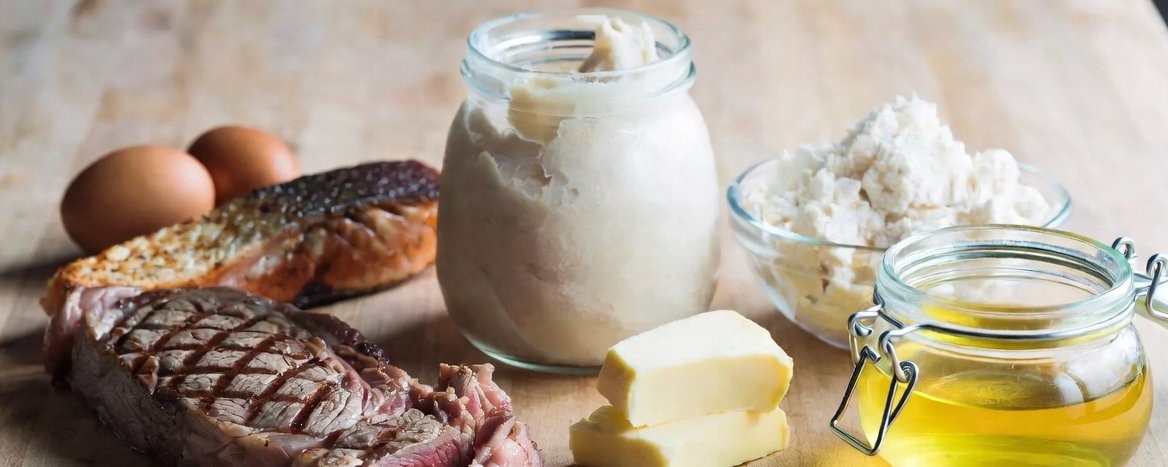
Cook with traditional fats — Use butter, ghee, tallow, lard, olive oil, avocado oil, or coconut oil instead.
Eat whole animal foods — Steak, eggs, salmon, and full-fat dairy come with their own natural fats and skip the industrial oils entirely.
Eat out smarter — Ask restaurants what oil they use for frying or cooking; many now offer tallow or butter options if you request.
Keep it simple — Focus on real, unprocessed foods. Small consistent swaps add up quickly.
More resources to explore:
Guyenet SJ, Carlson SE. Adv Nutr 2015;6(6):660-664. doi:10.3945/an.115.009944.
Nina Teicholz (@bigfatsurprise) – The Big Fat Surprise and her talks on seed oil history
Dr. Paul Mason (@DrPaulMason) – lectures on PUFAs, oxidation, and metabolic health
Dr. Cate Shanahan (@drcateshanahan) – deep dives on seed oils and cellular damage
Earlier essays on this site: What is Insulin Resistance… and why should you care?, The Truth About Cholesterol on a High-Fat Animal-Based Diet, and It’s Not Just the Protein You Consume—It’s How Much You Can Actually Absorb
Final Thought
Seed oils are not a legacy food humans have used for thousands of years — they are a modern industrial product with strong correlations to poorer metabolic health, insulin resistance, and inflammation. In fact, they were among the first industrial fats made and sold at global scale: factory products that no home kitchen can make. By choosing traditional animal-based fats and whole foods instead, you remove one of the biggest hidden drivers of modern metabolic problems. Stay inquisitive, do your own research, and be skeptical of guidelines that pushed these oils in the first place. Work with a knowledgeable healthcare professional who understands metabolic health to guide your personal approach.
This is part of The Metabolic Digest series — clear, practical explanations to help you understand and improve your metabolic health through ketogenic and animal-based whole foods.
This article is for informational purposes only. Full disclaimer: /disclaimer
Your health, your responsibility.
Continue exploring
Related reading.
Food Quality
Why Animal Fat Is Not the Enemy

Insulin & Hormones