Why Animal Fat Is Not the Enemy
These essays are for information only. They are not medical advice, diagnosis, or treatment. Read the full disclaimer.
Bottom Line First:
Animal fat has been wrongly demonized for decades. In reality, it is one of the most stable, nutrient-dense, and satiating foods for human metabolism. Eating animal fat does not make you fat — it often helps you burn fat more efficiently when carbs are kept low.
Medical Disclaimer. This information is for educational purposes only and is not medical advice, diagnosis, or treatment. Always consult a qualified healthcare professional before making changes to your diet, lifestyle, fasting practices, or medications. Do not stop or change any prescribed treatment without your doctor's guidance. Individual responses vary, and what works for one person may not be safe or effective for another.
What Animal Fat Actually Is
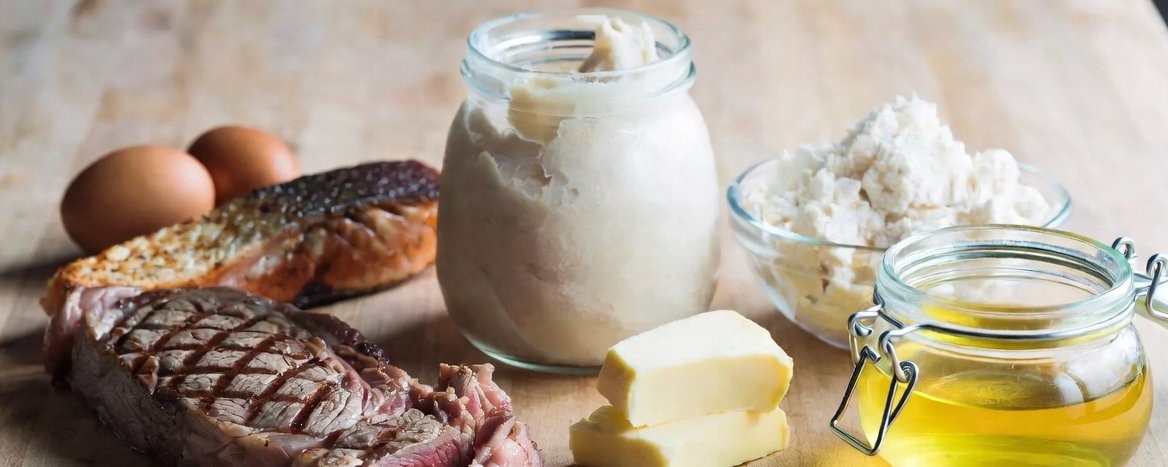
Animal fat includes the visible fat on meat (tallow, suet), the fat in eggs, the fat in dairy (butter, cream), and the fat naturally present in seafood and organ meats. These fats are mostly saturated and monounsaturated — the same types your body uses for energy, hormone production, and cell membrane structure.
Your body makes its own cholesterol and fat every day because they are essential. Dietary animal fat simply provides ready-to-use building blocks and steady energy without the blood glucose rollercoaster that comes with high-carbohydrate foods.
Why Animal Fat Got a Bad Reputation
For decades, official guidelines told us to avoid animal fat and replace it with seed oils and refined carbohydrates. This advice was based on flawed studies and heavy influence from industries that profit from seed oils. Meanwhile, some traditional peoples ate far more animal fat than any modern guideline allows. But the popular stories about them need care. When researchers autopsied 50 Maasai men in 1972, they found plenty of atherosclerosis. Yet the Maasai's heart arteries had widened with age enough that they weren't narrowed, and complicated, artery-blocking plaques were rare. The researchers credited the Maasai's extreme fitness. The famous claim that Greenland Inuit eating seal and whale fat had almost no heart disease is shakier still: the researchers behind it never measured heart disease directly, and later reviews find Inuit get coronary disease about as often as other populations. What these peoples do show is that humans have lived for generations on diets rich in animal fat, built on whole foods, with no refined carbs or seed oils. They aren't proof that animal fat protects the heart on its own.
What Happens When You Eat Animal Fat on a Low-Carb Diet
When carbs are kept low:
Insulin stays at normal levels.
Your body readily uses the animal fat you eat for fuel instead of storing it.
Consuming animal fats — especially when consumed in meat as it is packaged in nature — drives strong satiety, so you naturally eat less without feeling deprived.
Fat becomes a clean, steady source of energy (no blood glucose spikes or crashes).
Your body can access its own stored fat more easily.
Practical Benefits of Animal Fat
Provides fat-soluble vitamins (A, D, E, K) in highly absorbable forms.
Supports hormone production (cholesterol from animal fat is the raw material for sex hormones such as androgens and estrogens).
Improves satiety and reduces cravings.
Gives steady, even energy throughout the day.
Pairs beautifully with protein — the natural package your body expects in meat, eggs, and dairy.
Simple Takeaway
Animal fat is not something to fear. When you focus on real animal-based foods and keep carbs low, fat becomes an ally for stable energy, better hormones, and easier fat burning. Stop fearing the fat on your steak or the butter on your eggs — they are doing exactly what your body was designed to use.
Do some thoughtful research.
Your health, your responsibility.
This article is for informational purposes only. Full disclaimer: /disclaimer
Your health, your responsibility.
Continue exploring