
It’s Not Just the Protein You Consume—It’s How Much You Can Actually Absorb
These essays are for information only. They are not medical advice, diagnosis, or treatment. Read the full disclaimer.
Medical Disclaimer. This information is for educational purposes only and is not medical advice, diagnosis, or treatment. Always consult a qualified healthcare professional before making changes to your diet, lifestyle, fasting practices, or medications. Do not stop or change any prescribed treatment without your doctor's guidance. Individual responses vary, and what works for one person may not be safe or effective for another.
Bottom Line First:
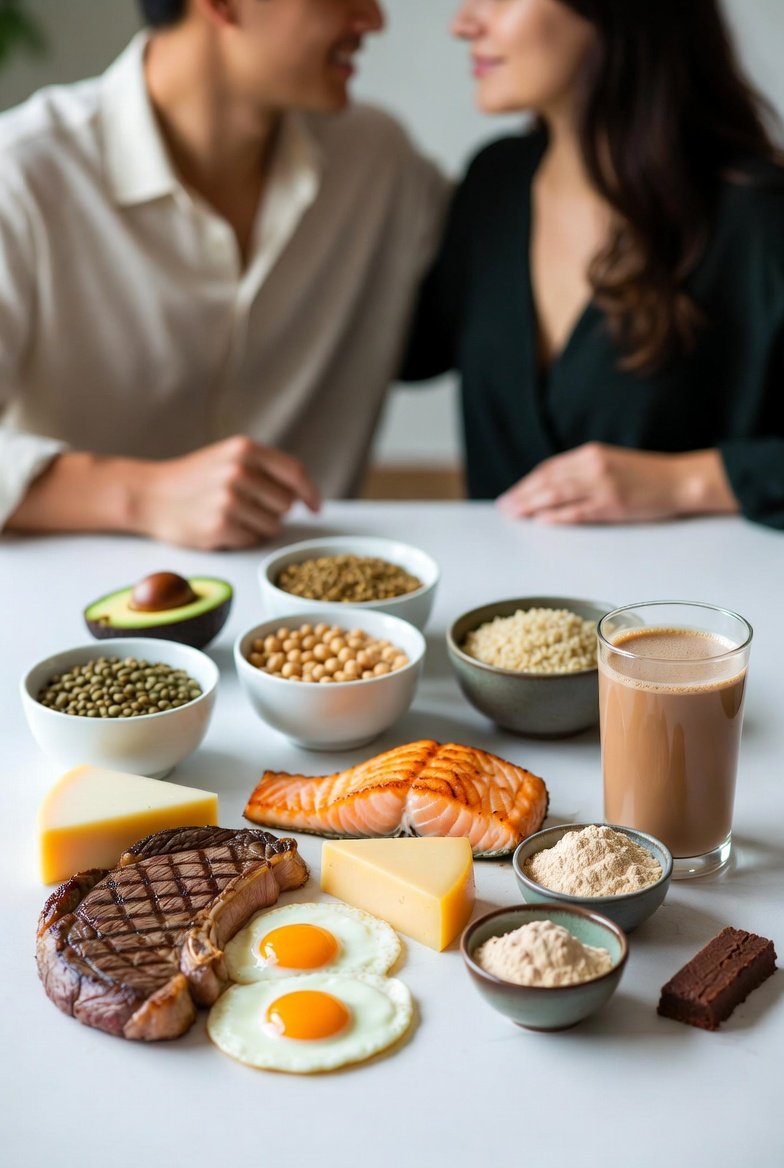
Tracking protein grams is helpful, but what really matters is how much your body can actually digest, absorb, and use for muscle repair, hormones, and steady energy. High-quality sources — especially whole animal foods packaged by nature with high quality protein and complementary fat — deliver far more usable building blocks with less waste. Refined powders (plant or animal) can be convenient but often lose the natural advantages of whole foods.
You work hard to hit your protein goals for strength, recovery, or feeling your best. But the number on the label doesn’t tell the whole story. Two meals with the same “30 grams of protein” can give your body very different results depending on how well those proteins break down and get absorbed.
The key measure nutrition scientists now use is called DIAAS (Digestible Indispensable Amino Acid Score). Recommended by the Food and Agriculture Organization of the United Nations (FAO) since 2013, DIAAS looks at how much of each essential amino acid actually gets absorbed in your small intestine.
A DIAAS score of 1.00 (or 100 when multiplied by 100) means that even the protein’s scarcest essential amino acid, after digestion, fully meets the reference requirement. A score of 1.00 or higher is rated excellent and 0.75–0.99 good; lower means less usable protein per gram eaten.
Why Absorption Makes a Big Difference
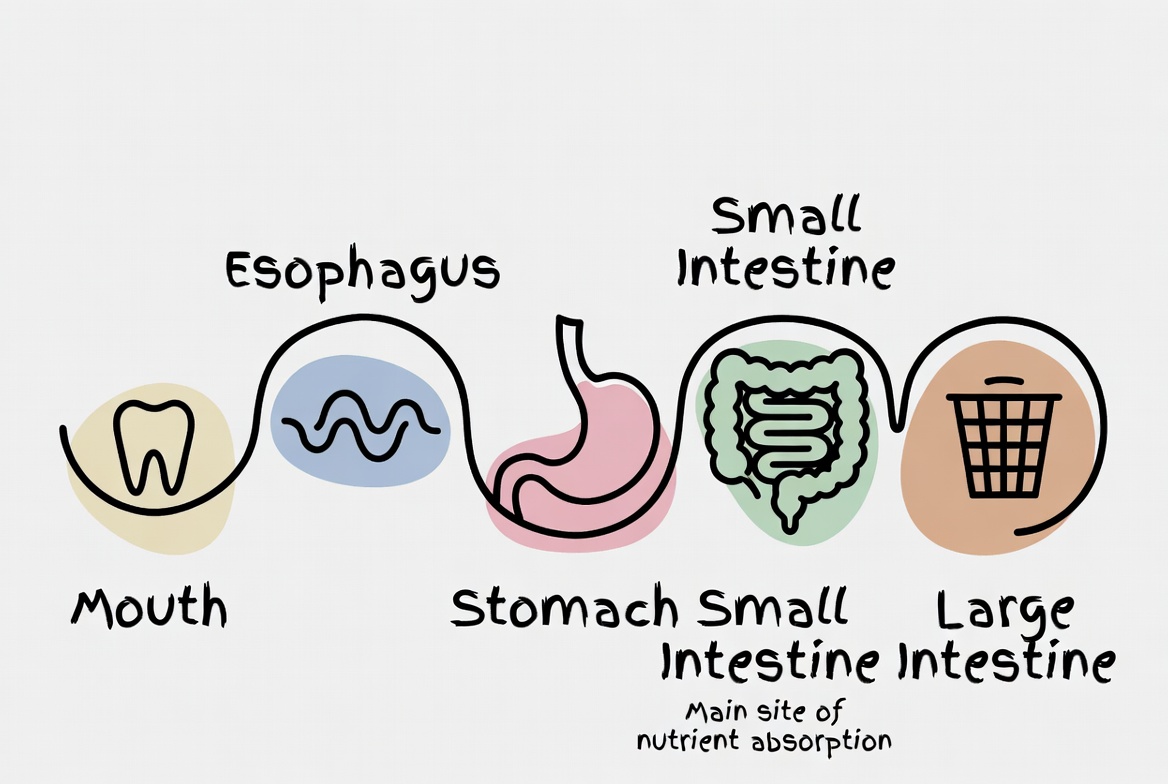
Your digestive system breaks proteins into individual amino acids. Only the ones that get absorbed can repair muscle, support your immune system, make hormones, and keep your metabolism humming.
Lower-quality or heavily processed proteins often mean you absorb fewer usable amino acids, so you may need to eat larger portions (and extra calories) to get the same benefit. Over time, choosing better-absorbed proteins helps you feel more satisfied, recover faster, and get stronger results from the same effort.
How Eating Fat with Protein Gives You an Edge
Protein digestion works even better when you include some fat in the meal.
When fat reaches your small intestine, it triggers the release of bile acids. These bile acids don’t just help break down fat — they also help your digestive enzymes (trypsin and chymotrypsin) chop proteins apart more efficiently. The result? Faster and more complete breakdown, so more amino acids get absorbed and put to work.
This is why meals like eggs cooked in butter, steak with its natural fat, or salmon feel more satisfying and “stick with you” better than ultra-lean protein shakes alone.
Evidence note: This bile acid effect on protein digestion is supported by lab studies, though real-world human trials show the biggest benefits come from whole-food meals rather than isolated supplements.
Why Whole Animal-Based Foods Stand Out
Proteins from meat, eggs, dairy, and seafood are complete and highly absorbable because they are packaged by nature with high quality protein and complementary fat.
These foods also contain high amounts of micronutrients, essential amino acids, and essential fatty acids in their most bioavailable forms — something protein powders generally lack. They typically score very high on DIAAS (often over 1.00 or 100), meaning your body can use nearly all of what you eat.
Many plant foods score lower because the common “crude protein” measurement (what you see on nutrition labels for protein content) is based on the fact that protein is the only macronutrient that contains nitrogen. Labs measure total nitrogen and multiply by 6.25 to estimate protein. Plants, however, contain significant non-protein nitrogen compounds, plus fiber and anti-nutrients that make actual digestion and absorption harder. This can lead to an overestimation of usable protein in many plant foods.
Dr. Peter Ballerstedt (@GrassBased) highlights this in his Low Carb Down Under lectures, emphasizing that ruminant animals naturally concentrate high-quality, complete proteins that humans can use efficiently.
A Whole-Food Vegetarian Approach
If you follow a vegetarian diet, you can still support good protein absorption by focusing on whole-food plant sources and proper preparation. Lentils and soy (if tolerable) are among the better options for bioavailability, but they benefit greatly from traditional preparation methods such as soaking, sprouting, fermenting, or thorough cooking. These steps help reduce anti-nutrients and improve digestibility.
Note: If eggs or dairy are acceptable in your diet, they should be primary sources of whole-food protein consumption because of their high bioavailability (see DIAAS scores). Fish and seafood count as meat; if you eat them, they belong with the whole animal foods above. Choose low-carb dairy options like cheeses and cream when possible.
Keep in mind that whole-food plants with higher protein content are also carbohydrate-rich compared to most animal foods (with the exception of milk). This means careful attention to total carbohydrate load is important for metabolic health, especially if you are managing insulin sensitivity or blood sugar.
A Note on Refined Protein Powders (Plant and Animal-Based)
Powders can be convenient for travel, workouts, or busy days, but they are highly processed and often lose the natural advantages of whole foods.
Pros of powders (both types):
Quick and easy to use
High protein per serving
Helpful for hitting daily targets when whole food isn’t practical
Cons and important considerations:
Refining (isolating) protein requires heavy industrial processing. For plant powders (pea, rice, soy, hemp), a large amount of raw plant material must be crushed, chemically separated, and purified to yield just one gram of isolated protein. This process can concentrate anti-nutrients or introduce heavy metals (lead, cadmium) from soil or manufacturing equipment. Independent testing shows plant-based powders often have higher levels of heavy metals than animal-based ones.
Concentrated soy powders can contain goitrogens (compounds that may interfere with thyroid function, especially in people with thyroid issues because of potential iodine absorption inhibition) and phytoestrogens (isoflavones with weak estrogen-like activity). Levels are lower in isolates than in whole soy, but high intake may still raise concerns for some people.
Animal-based powders (whey, beef, collagen) start from milk or meat and generally have better DIAAS scores and fewer anti-nutrients. However, quality varies: not all whey or beef powders are equal. Standards for supplements are not as strictly regulated as food, so third-party testing (NSF, Informed-Sport, or ConsumerLab) is the best way to check purity — but it’s voluntary and not perfect.
Both plant and animal powders commonly include additives: stabilizers, sugars or sugar substitutes (like maltodextrin or stevia), flavors, and emulsifiers. These can affect digestion, blood sugar, or gut comfort for some people.
Bottom line on powders: Whole foods remain the gold standard for absorption and overall nutrition. Use powders as occasional meal replacements and choose ones with minimal additives and verified third-party testing.
Easy Actionable Steps You Can Start Today
Prioritize whole animal foods — Build meals around meat, eggs, seafood, or full-fat dairy most days. They’re already complete packages with high bioavailability.
For vegetarian meals — Prioritize eggs and dairy (if acceptable). Otherwise focus on properly prepared whole-plant sources like soaked, sprouted, fermented, or thoroughly cooked lentils and soy (if tolerable), combined with natural fats such as ghee, avocado oil, olive oil, or butter.
Add natural fat to every protein meal — Cook eggs in butter or tallow, or enjoy salmon with its skin. For vegetarian meals, use ghee, avocado oil, olive oil, or butter.
Eat whole foods that are naturally high in protein to natural satiety — Your body is telling you to stop eating that natural protein source because it is satisfied.
Aim for quality over just hitting a number — Target roughly 1.6–2.2 grams of protein per kilogram of body weight (or about 0.73–1.0 grams per pound) daily, but focus on sources with high absorption rather than just the total number.
If using powders — Choose minimally processed options with third-party testing; don’t fall for catchy marketing and friendly advice — do your own research on individual brands or even reach out to them to acquire details on processing and third-party testing; limit to occasional meal replacements.
Keep it simple and consistent — Eat a variety of real foods. Don’t overcomplicate the math — quality does most of the heavy lifting.
More resources to explore:
Dr. Peter Ballerstedt (@GrassBased) – Low Carb Down Under lectures on protein quality
Dr. Ben Bikman (@BenBikmanPhD) and Dr. Paul Mason (@DrPaulMason) for clear metabolic explanations
Search for DIAAS studies from the Food and Agriculture Organization of the United Nations (FAO)
Follow @metabolicdigest on X for more threads on real-food nutrition, insulin, and absorption
Final Thought
It’s not just about the protein you consume — it’s how much you can actually absorb and use. Focus on whole animal-based foods packaged by nature with high quality protein and complementary fat, stay inquisitive, do your own research, and be skeptical of mainstream guidelines that often push processed options over what nature provides. Work with a knowledgeable healthcare professional who understands metabolic health to personalize your approach.
This is part of The Metabolic Digest series — clear, practical explanations to help you understand and improve your metabolic health through ketogenic and animal-based whole foods.
This article is for informational purposes only. Full disclaimer: /disclaimer
Your health, your responsibility.
Continue exploring
Related reading.
Food Quality
How Digestion Really Works – A Simple Breakdown
Food Quality