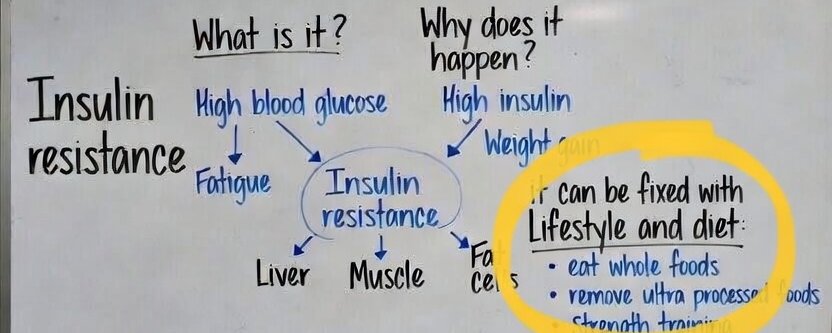
What is Insulin Resistance… and why should you care?
These essays are for information only. They are not medical advice, diagnosis, or treatment. Read the full disclaimer.
Key Takeaway (up front):
Insulin resistance is not a life sentence. Not only can it be reversed, but it can be prevented entirely with the right lifestyle adjustments — starting today.
Medical Disclaimer. This information is for educational purposes only and is not medical advice, diagnosis, or treatment. Insulin resistance and related conditions can be serious. Always consult a qualified healthcare professional before making changes to your diet, lifestyle, fasting practices, or medications. Do not stop or change any prescribed treatment without your doctor's guidance. Individual responses vary, and what works for one person may not be safe or effective for another.
Quick Primer on Key Terms (Read This First!)
- Insulin: A hormone made by special cells in your pancreas called beta cells. Beta cells are like tiny insulin factories in the pancreas — they sense blood glucose and release insulin to help control it.
- Glucose: The main sugar in your blood that comes from food (especially carbs). Your body uses it for energy.
- Important note: When medical institutions, labs, or doctors talk about "blood sugar," they are always referring to blood glucose — the simple sugar circulating in your blood. This is not the same as table sugar (sucrose) or added sugars in food. Many people mistakenly think "blood sugar" means sucrose, so if they avoid sweets they assume their levels are fine. That's not correct — many carbohydrate foods (breads, pasta, rice, potatoes, fruit, grains) break down into glucose and raise blood glucose levels, even if they contain no added sucrose.
- Hyperinsulinemia: Too much insulin in the blood all the time (high fasting insulin levels).
- Compensated phase: Early stage where your body is still keeping blood glucose normal by making extra insulin — you feel okay, but problems are building underneath.
- Ectopic fat: Fat stored in the wrong places (like inside your liver or muscle cells) instead of under the skin where it's safe.
- Subcutaneous fat: The fat stored under your skin (e.g., pinchable fat on arms, thighs, hips). This is the body's preferred, safer storage site.
- Visceral fat: The deep abdominal fat stored around internal organs (liver, intestines, pancreas). This is more dangerous and strongly linked to insulin resistance, inflammation, and metabolic disease.
- HbA1c (Hemoglobin A1c): A blood test that shows average blood glucose over ~3 months by measuring how much glucose is stuck to red blood cells (glycation).
- HOMA-IR: (Homeostatic Model Assessment of Insulin Resistance): A simple calculation from fasting insulin and glucose to estimate insulin resistance.
1. What Is Insulin Resistance? (The Two-Part Problem… and Why You Should Care)
Insulin resistance happens in two steps:
1. Your pancreas (via beta cells) makes more and more insulin to try to control blood glucose.
2. Your body's cells (especially muscle, liver, and fat cells) stop listening well to that insulin signal.
For years (often 10–20+), your body keeps blood glucose normal by overproducing insulin — this is called the compensated phase. You might feel fine, but trouble is brewing. Blood glucose only starts rising when the pancreas can't keep up anymore.
Why should you care?
Insulin resistance is one of the most common and under-diagnosed drivers of weight gain, fatigue, cravings, high blood pressure, PCOS, fatty liver, heart disease risk, and eventually Type 2 diabetes. It often starts silently in your 20s or 30s — long before blood glucose tests show a problem. Catching and reversing it early can dramatically improve energy, body composition, hunger control, and long-term health. Ignoring it lets the cycle worsen, making everything harder later.
2. The Main Cause: How Insulin Resistance Really Starts
The main trigger is too much insulin in your blood all the time. This usually starts from frequent blood glucose spikes. Those spikes come from eating carbohydrates — especially refined ones like bread, pasta, and sugary foods.
- Eat a lot of carbs often → blood glucose goes up often → insulin spikes often.
- Over time, constantly high insulin makes cells less sensitive (they "tune out" the signal).
- The pancreas makes even more insulin to compensate — a vicious cycle where high insulin itself makes resistance worse.
Important contrast:
If you eat mostly whole-food, bioavailable protein and fat (such as meat and seafood with very low or no carbs), insulin stays low — no big spikes, no cycle of high insulin → resistance.
Other things (lack of exercise, stress, inflammation) can make it worse, but the core starter is repeated insulin demand from carbs.

3. Physical Signs You Might Notice
Early on, it's often "silent," but common clues include:
- Excessive visceral fat in the abdomen (central adiposity / "apple shape") — this is deep belly fat around the organs, not just pinchable subcutaneous fat. When normal subcutaneous fat storage sites become overwhelmed, the body starts storing fat ectopically (in the wrong places like the abdomen, liver, and muscle).
- Feeling tired, foggy-headed, or low-energy after carb-heavy meals
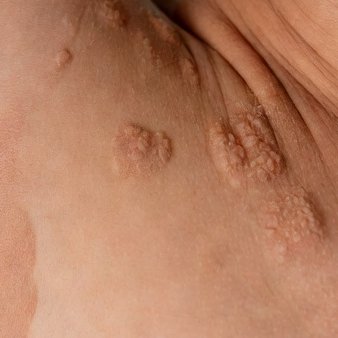
- Dark, velvety skin patches (acanthosis nigricans) on neck, armpits, or groin
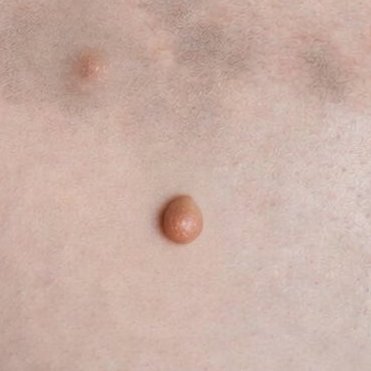
- Skin tags
- Always hungry or craving sweets even after eating
- High blood pressure
- For men: Erectile Dysfunction (often linked to the blood pressure and vascular issues from insulin resistance)
- For women: irregular periods, extra hair growth, or acne (can point to PCOS)
These show up slowly as the problem builds.
4. Blood Tests That Catch It Early
Fasting blood glucose often stays normal for years, so look at insulin-focused tests:
- Fasting insulin — High levels (>10 μU/mL is often treated as an early sign; >15–20 μU/mL a stronger clue). These are rules of thumb, not official cutoffs, and insulin tests vary from lab to lab. Most labs won’t flag it unless it’s much higher, but this is often the first red flag.
- HOMA-IR (Homeostatic Model Assessment of Insulin Resistance): (Fasting Insulin in μU/mL × Fasting Glucose in mg/dL) / 405
Higher numbers point to more insulin resistance. There's no single official cutoff: studies draw the line in different places depending on the people studied and the insulin test used. See our HOMA-IR essay for how to read your number.
- Triglyceride/HDL ratio: Fasting Triglycerides (mg/dL) / HDL Cholesterol (mg/dL)
Above 3.0 is a cheap, good clue for resistance.
- TyG index (uses triglycerides and glucose)
- OGTT with insulin check (shows over-the-top insulin even if glucose looks okay)
Don’t worry about memorizing these — just ask your doctor to include fasting insulin on your next blood draw.
Why HbA1c (Hemoglobin A1c) isn't great early:
HbA1c measures how much glucose is stuck to red blood cells over ~90 days (glycation). In the compensated phase, extra insulin keeps average blood glucose normal, so HbA1c stays normal — even while insulin is sky-high and resistance is advancing. It's a late marker, not an early one.
5. Which Tissues Become Resistant First? (From Dr. Ben Bikman’s Lectures @BenBikmanPhD)
Dr. Ben Bikman (@BenBikmanPhD), a leading researcher on insulin resistance and fat metabolism (from his Metabolic Classroom lectures and talks), explains that insulin resistance actually starts in fat cells as a protective mechanism.
Here’s how he breaks it down simply:
1. Fat cells first: Fat cells can get bigger in two ways: making more cells (good) or just stretching the ones they have (bad). When they stretch too much, they basically say "no more!" and stop listening to insulin — it’s their way of protecting themselves from bursting or dying.
- Once resistant, the fat cell ignores insulin's signal to hold onto stored fat.
- It starts "leaking" stored fat (free fatty acids) into the bloodstream, even though insulin is high and trying to tell it to stop.
- This leak protects the fat cell, but it causes trouble downstream.
2. Muscle next: The leaked fatty acids spill into the blood and deposit inside muscle cells (ectopic fat), causing muscle insulin resistance.
3. Liver later: Excess fats then build up in the liver (fatty liver), making it harder for the liver to control glucose production and worsening whole-body resistance.
Bikman stresses this "fat cell first" sequence: the overstretched fat cell becomes inflamed (low oxygen), releases inflammatory signals, and spreads the problem. Free fatty acids and inflammation drive resistance in muscle, liver, and beyond. This explains why total body fat isn’t the issue — it’s the size and behavior of individual fat cells.
6. How It Leads to Type 2 Diabetes
Usually takes 10–20+ years (this is not definitive time period):
- Compensated phase (long): Blood glucose stays normal thanks to very high insulin.
- Prediabetes: Pancreas tires → insulin output drops relative to need → blood glucose starts creeping up (fasting 100–125 mg/dL or higher after sugar test).
- Type 2 Diabetes: Blood glucose stays high long-term (fasting ≥126 mg/dL, HbA1c ≥6.5%, etc.) as beta cells wear out.
Blood glucose normal for years despite resistance — that's why early detection needs insulin tests.
7. Other Health Problems It Fuels
Long-term high insulin and resistance drive or worsen:
- Fatty liver disease
- Heart disease (high blood pressure, dyslipidemia, vascular and arterial damage)
- PCOS in women
- Alzheimer's ("brain diabetes")
- Some cancers (insulin encourages cell growth)
- Kidney problems, gout, sleep apnea, etc.
All connected by inflammation, undesirable lipid(fat) ratios, and cell stress from chronic high insulin.
8. What You Can Do About It
Good news: Early insulin resistance (compensated phase) is very fixable — and you can lower insulin demand quickly with the right choices.
Real clinics have seen this. In one English GP practice, 186 people with type 2 diabetes chose a lower-carb diet; after an average of 33 months, 51% were in drug-free remission, rising to 77% among those diagnosed less than a year earlier (Unwin et al., 2023). A five-year remote ketogenic program reported 20% remission among the 122 people who stayed the course (McKenzie et al., 2024). These are small, self-selected groups without randomized controls, so they show what is possible, not what every person will see. Glucose-lowering drugs often need to come down as carbs come down, so make this change with your prescriber.
Source: Unwin D et al. BMJ Nutr Prev Health 2023;6(1):46-55. doi:10.1136/bmjnph-2022-000544. McKenzie AL et al. Diabetes Res Clin Pract 2024;217:111898. doi:10.1016/j.diabres.2024.111898. Medication point: Murdoch C, Unwin D et al. Br J Gen Pract 2019. doi:10.3399/bjgp19X704525.
Best tool: Intermittent fasting
Fasting is one of the most powerful ways to lower blood glucose and insulin levels. When you stop eating for extended periods (e.g., 16–18 hours or longer), your body uses up stored glucose, insulin drops dramatically, and cells get a chance to become more sensitive again. Many people see big improvements in fasting insulin and energy just by adding daily fasting windows.
Food focus
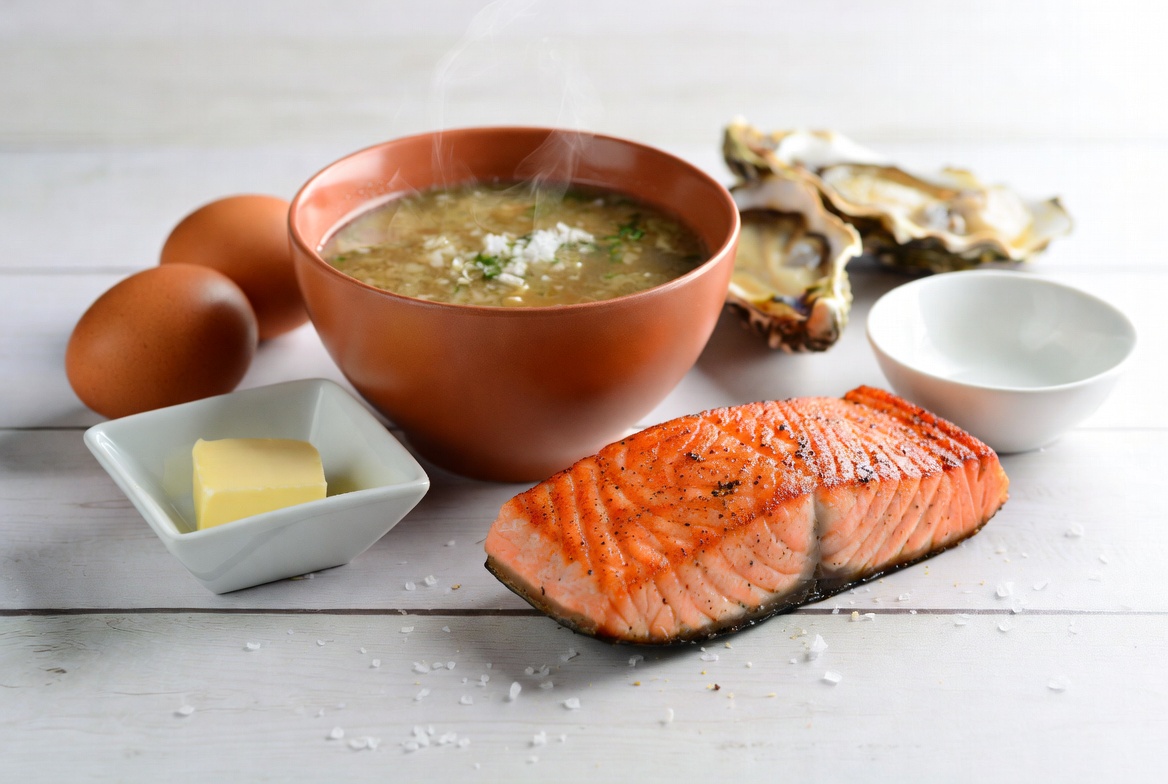
- Eat whole-food, bioavailable protein and fat from meat and seafood — steak, chicken, salmon, shrimp, eggs, etc. These foods come packaged with natural fats, so you get both together as nature intended.
- Eliminate or significantly restrict refined carbohydrates and added sugars — cereal, candy, sugary drinks (soda, juice, energy drinks), breads, pastries, cookies, cakes, white rice, pasta, most grains, and starchy plants (potatoes, corn, sweet potatoes). These spike insulin the most.
- Keep carbs very low overall — focus on non-starchy vegetables (broccoli, spinach, zucchini, etc.) if you want some plant foods.
A note on industrial seed oils
Many experts, including Dr. Ben Bikman (@BenBikmanPhD), raise concerns about industrial seed oils (soybean, corn, canola, sunflower, safflower, etc.). Most of these oils are very high in linoleic acid: soybean, corn, and cottonseed oil are about half linoleic acid, and regular sunflower oil about two-thirds. Canola is lower, at about a fifth. When linoleic acid oxidizes in the body, it can produce toxic compounds like 4-HNE. According to Bikman’s lectures, these oxidation products may promote fat cell hypertrophy (making fat cells larger and inflamed) and interfere with normal insulin signaling.
A common-sense observation regarding Seed Oils
Seed oils fail a kitchen test. Large quantities of seeds must be industrially crushed, heated, treated with chemical solvents like hexane, refined, bleached, and deodorized just to become edible oil. The NOVA system researchers use calls refined oils "processed culinary ingredients" rather than ultra-processed foods, but this site's field test is stricter: no home kitchen can make seed oil the way you can render tallow or churn butter. Many people reversing insulin resistance choose to avoid seed oils entirely. Cook with more stable, naturally occurring fats instead: butter, ghee, beef tallow, olive oil, or avocado oil. (See If it never grew in a field, stop calling it food.)
Explore More Experts
Many respected voices on X share similar concerns about seed oils and insulin resistance. Check out:
- Dr. Ben Bikman (@BenBikmanPhD)
- Dr. Paul Mason (@DrPaulMason)
- Dr. Cate Shanahan (@drcateshanahan)
- Dr. Paul Saladino (@CarnivoreMD)
- Dr. Tro Kalayjian (@DoctorTro)
Follow them, watch their lectures, and read their posts/books to form your own view. Always cross-check with primary sources and consult a doctor.
Other supportive habits
- Do resistance training (builds muscle, improves sensitivity)
- Get good sleep and manage stress
- Move every day
- Test fasting insulin as part of EVERY standard metabolic health panel — This simple blood test gives deep insight into overall metabolic health long before blood glucose rises. High fasting insulin is often the earliest red flag. It should prompt additional screenings (like OGTT or advanced lipid panels) and/or lifestyle modifications (diet changes, fasting, exercise). Most routine labs still focus only on glucose and HbA1c — but adding fasting insulin changes the game for prevention.
- Strictly avoid ultra-processed foods: Always read the ingredient list carefully. If you don’t recognize an ingredient or wouldn’t find it in nature, it’s usually best to avoid the product. Be especially wary of foods that combine high amounts of refined carbohydrates and fats together (such as chips, cookies, donuts, ice cream, pastries, snack bars, and many fast foods). These high-carb + high-fat combinations drive strong insulin responses while providing excess fat storage, making them particularly harmful for insulin resistance.
Final Thought
We are all different — physiologically, psychologically, culturally, and in our life circumstances. There is no one-size-fits-all formula. You need to find the approach that works for you. Some people have hidden sensitivities to certain foods and don’t realize it until they remove them. Others discover there’s a small amount they can tolerate without major consequences. This article is not a rigid mandate of what to do or not do — it’s designed to make you think, ask questions, and do your own research. Don’t blindly accept what profit-driven companies or conventional guidelines tell you you’re “supposed” to do. Experiment thoughtfully, track how you feel, and work with a knowledgeable professional to guide you.
Catch it early — sensitivity can bounce back a lot without meds.
God Bless and Make your Day Great.
This article is for informational purposes only. Full disclaimer: /disclaimer
Your health, your responsibility.
Continue exploring
Related reading.

Insulin & Hormones
Why Counting Calories Doesn’t Work – And What Actually Does