Plant-based meat is not a metabolic upgrade
These essays are for information only. They are not medical advice, diagnosis, or treatment. Read the full disclaimer.
Bottom line first.
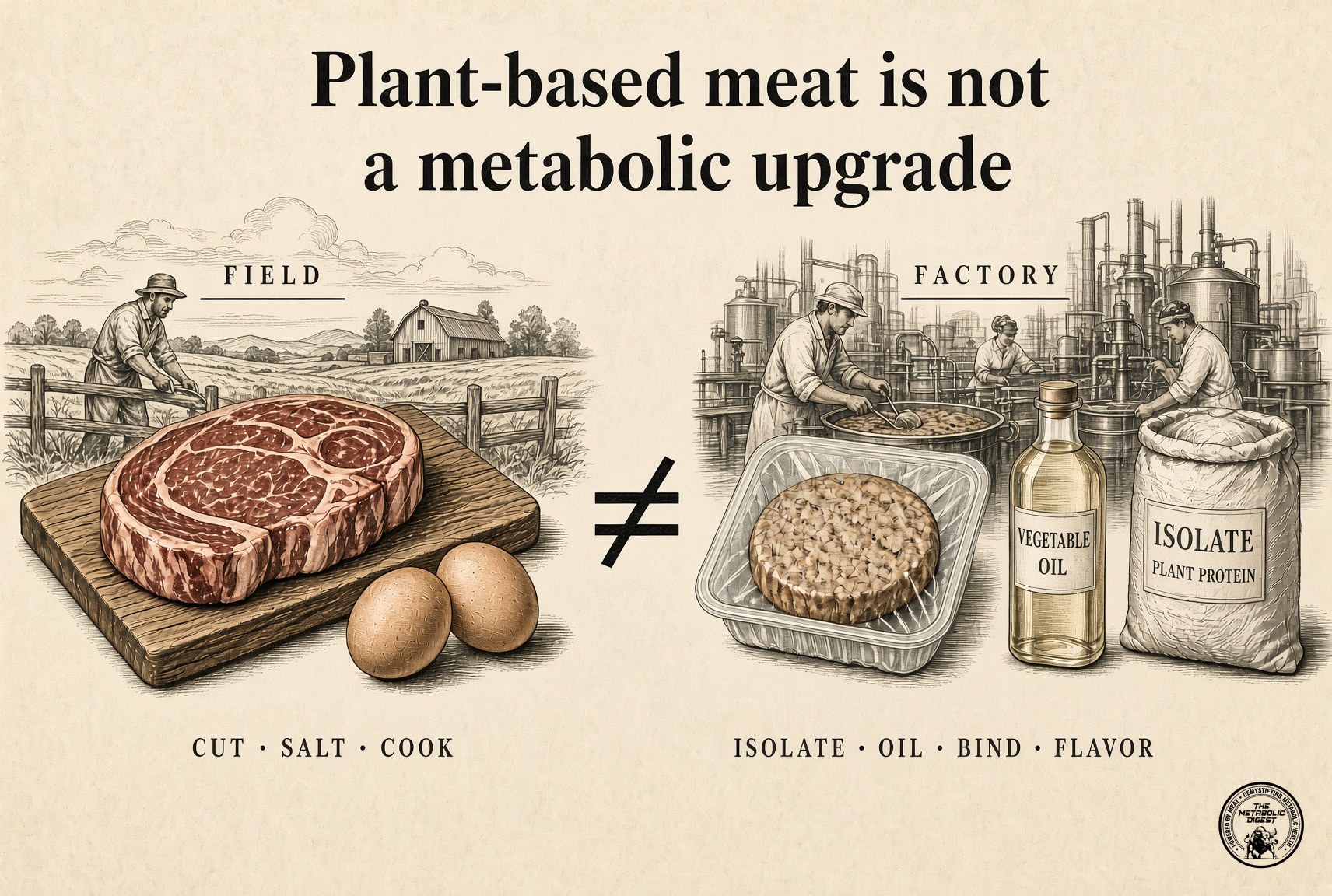
A plant-based burger sold as if it “bleeds” is not a metabolic upgrade on steak. It is a factory product built to look like muscle: protein isolates, refined oils, binders, and flavor systems. The front of the package says “plant.” The ingredient list says factory. Those are different sentences.
This is information, not a diet prescription and not medical advice. Medical Disclaimer. This information is for educational purposes only and is not medical advice, diagnosis, or treatment. Always consult a qualified healthcare professional before making changes to your diet, lifestyle, fasting practices, or medications. Do not stop or change any prescribed treatment without your doctor's guidance. Individual responses vary, and what works for one person may not be safe or effective for another.
The field test
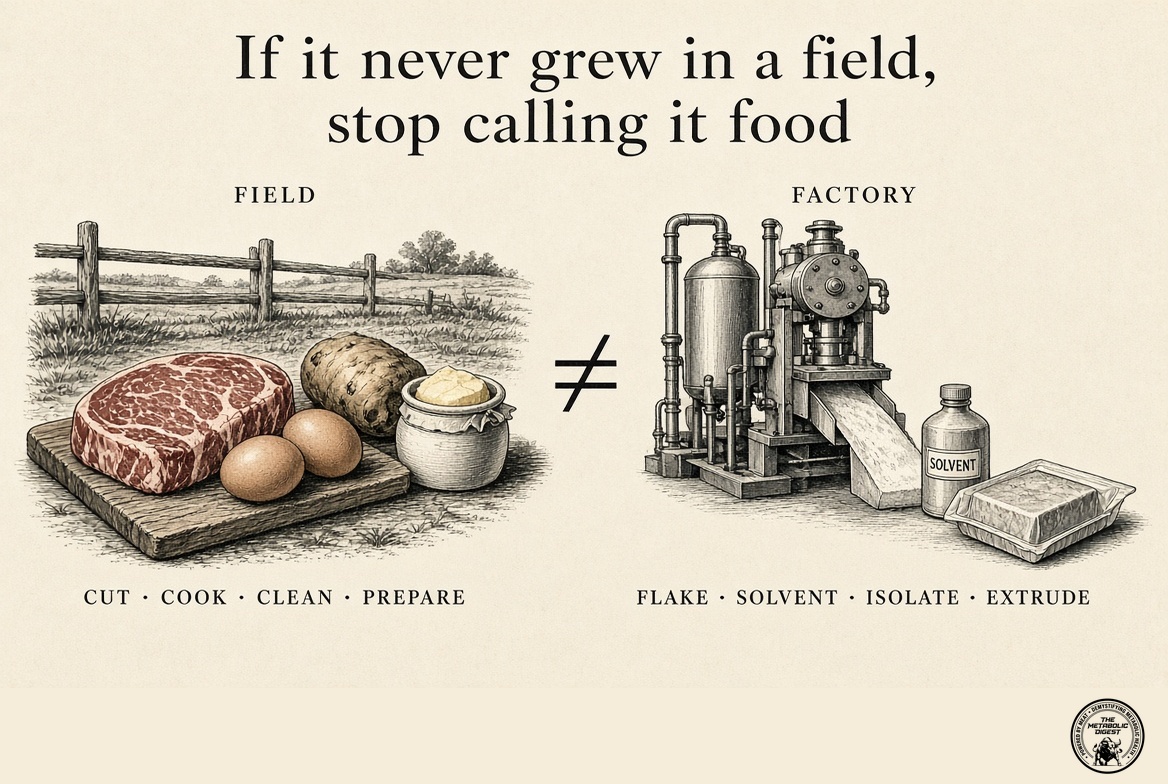
This site already uses a simple check. Could a farmer, a fisherman, or a hunter have handed you this without a chemical plant? That test lives in If it never grew in a field, stop calling it food (/articles/field-vs-factory).
A cow passes. An egg passes. A potato passes. A pea plant passes.
Pea protein isolate does not. Canola oil does not. Methylcellulose does not. “Natural flavors” does not. Those things exist because a factory extracted, refined, and reassembled them.
This is not a claim that every factory food will harm you. It is a claim about what the thing is.
What is actually in the replica
Formulas change. Read the current panel. The pattern does not.
A Beyond patty is typically water, pea protein, a plant oil (the current US recipe uses avocado oil; older and some overseas versions use canola and coconut oil), more isolated plant proteins (brown rice, and in the current US recipe red lentil and faba bean), flavors, methylcellulose, starches, and coloring from beet juice.
An Impossible-style patty is typically water, soy protein concentrate, coconut oil, sunflower oil, flavors, methylcellulose, modified starch, soy protein isolate, and soy leghemoglobin — a heme protein made with genetically modified yeast to copy the heme in beef muscle, so the patty looks red and tastes like beef.
Beef is beef. Seasoning if you add it.
By NOVA’s rules (NOVA is the academic processing scale), products like these land in Group 4: ultra-processed. That is the group for products whose ingredient lists include things a kitchen does not use, such as soy protein isolate, or additives such as flavors, colors, and thickeners. Methylcellulose is a thickener. Monteiro and colleagues set out those criteria in Public Health Nutrition in 2019 (doi 10.1017/S1368980018003762).
Notice the split. The oil inside the patty is, on its own, a “processed culinary ingredient” in NOVA. The patty as sold is not. The field test is stricter on both. A kitchen can heat oil. A kitchen cannot invent isolate paste that tastes like a cow.
If you want the longer argument on seed oils as factory fats, it is here: Why Seed Oils Are a Hidden Driver of Metabolic Problems (/articles/why-seed-oils-are-a-hidden-driver). The oil on its own is not called ultra-processed here: NOVA files it as a processed culinary ingredient, and the field test fails it anyway.
Protein on the label is not protein in you
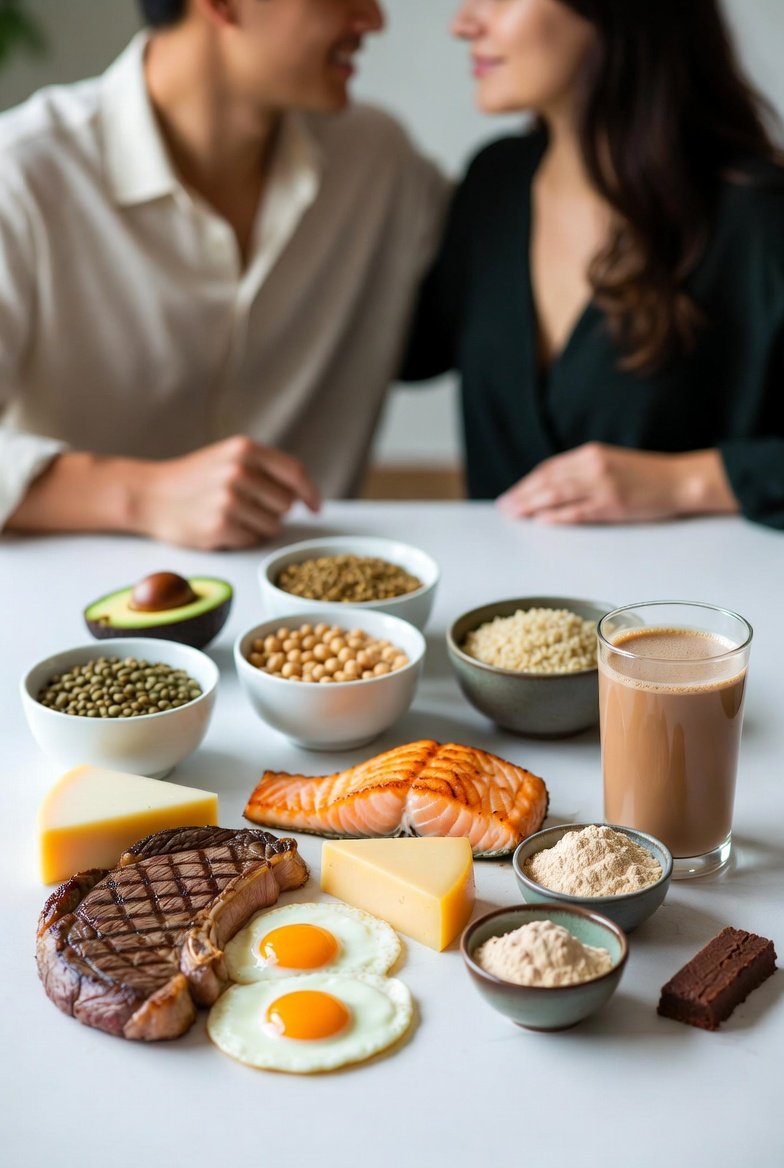
The replica is built to match grams of protein on a sticker. Grams on a sticker are not the same as amino acids you absorb.
Animal muscle scores high on DIAAS (digestible indispensable amino acid score), the protein-quality measure the FAO recommended in 2013. Isolated plant proteins can be concentrated and blended to score closer to meat. They still arrive with the rest of the formulation: the oils, the binders, the flavor system. How much protein you can actually absorb is its own essay: It’s Not Just the Protein You Consume—It’s How Much You Can Actually Absorb (/articles/protein-absorption-diaas).
Do not treat a matching protein number as a matching food.
What the short trials actually showed
There is not a large body of long trials that prove replica meat improves insulin, fatty liver, or hard outcomes compared with whole animal meat.
One trial you will see cited is SWAP-MEAT (Crimarco et al., American Journal of Clinical Nutrition, 2020, doi 10.1093/ajcn/nqaa203). Thirty-six generally healthy adults ate at least two servings a day of Beyond Meat products for eight weeks and animal meat for eight weeks, in random order, keeping the rest of their diet as similar as possible. TMAO was lower on the plant-meat weeks overall, but only in the group that ate plant meat second. TMAO is a compound the liver makes from what gut bacteria produce when they break down nutrients such as carnitine and choline; observational research links it to heart disease. LDL cholesterol was about 11 mg/dL lower on the plant-meat weeks. Fasting insulin and fasting glucose did not differ between the two phases.
Read the funding line. The paper discloses an unrestricted research gift from Beyond Meat to Stanford, and Beyond supplied the plant products. That does not make the measurements fake. It does mean you should not treat one short, company-supported swap study as a verdict on metabolic health.
TMAO and LDL are not the same thing as insulin. They are not a stand-in for “this is food.” This library already argued that a cholesterol number without context is a weak story (/articles/truth-about-cholesterol). Do not flip that rule the other way and crown a replica patty because LDL ticked down for eight weeks.
What the costume is doing
The product is sold as a health and climate object. The health claim rides on what it leaves out (no animal) and on nutrients printed to match meat.
A fair question sits under that costume. If meat is the thing to refuse, why spend a factory making plants look and brown like meat, and weep a juice that reads as blood? The companies already answered it. In its IPO filing, Beyond Meat reported that 93% of Kroger shoppers who bought the Beyond Burger in the first half of 2018 also bought animal protein. Most of the buyers are not refusing meat. They want the burger. The formulation exists to keep the burger without the animal. That is not a side effect. That is the product.
This is not a swipe at every person who avoids meat for ethics. Plenty of those people eat plants that still look like plants. The replica is a different object. It chases the thing it claims to replace.
Leaving the animal out does not automatically leave out the isolates, the added oils, or the insulin load of the meal around it. Many replica patties are cooked and served on the same bun, with the same sauce, as the beef they replace. The bun and the sauce were already a problem for a lot of people. Swapping the middle for a formulation does not turn the meal into a field food.
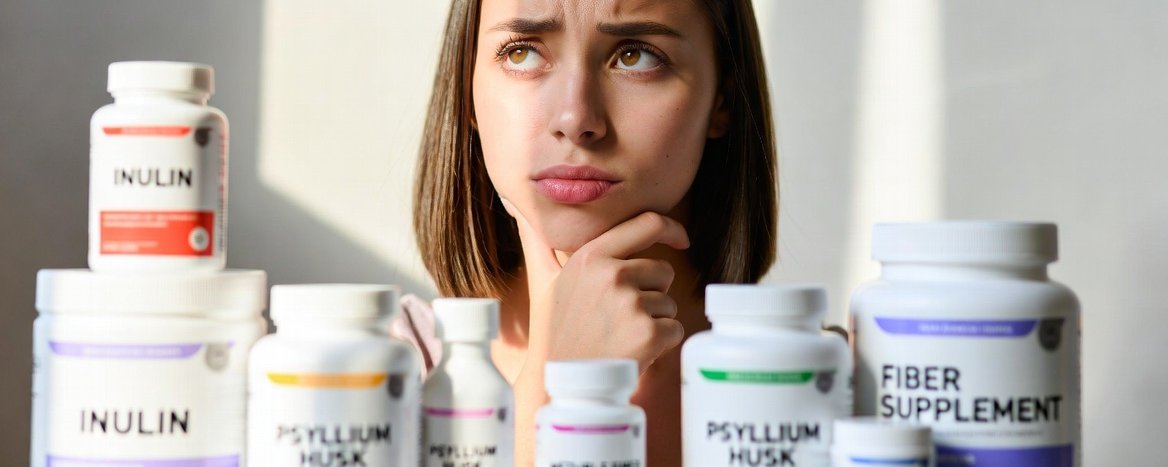
Fiber added to a replica, or marketed around it, is the same move described in The Fiber Fight (/articles/the-fiber-fight): a refined product reaching for a health halo.
A kitchen comparison
You can take a cut of beef, salt it, and cook it.
You cannot take peas and “make a Beyond Burger” at home without the isolate line, the oil blend, the binder, and the flavor house. That is the point of the field test. If the ingredient list reads like a process diagram, you are not looking at a pea.
Impossible’s heme is honest about the engineering. It is not cow blood. An animal is bled out before it is butchered, so very little blood is left in the meat. The red in a steak's juice comes mostly from myoglobin, a heme protein in the muscle itself. Soy leghemoglobin is a different heme protein, from soybean roots, made in engineered yeast to copy that muscle heme, not blood. Engineering can be clever. Clever is not the same as “this grew.”
What this is not saying
It is not saying a person who avoids meat for ethics must eat steak.
It is not saying every packaged plant food is the same as a replica burger. A bag of frozen peas is still peas.
It is not saying one industry-funded crossover trial should be ignored. It should be read, including the gift line, and then put next to the ingredient list.
It is not a protocol. Nobody here is telling you what to order at a restaurant.
If you want a burger that is meat, buy meat. If you want plants, eat plants that still look like plants. If you want a product designed to imitate muscle, know that you are buying a formulation.
Do some thoughtful research. Read the panel. Use the field test. Your health, your responsibility.
Postscript
Monteiro et al., Public Health Nutrition 2019, doi 10.1017/S1368980018003762 — NOVA groups, including ultra-processed foods defined by industrial formulations.
Crimarco et al., American Journal of Clinical Nutrition 2020, doi 10.1093/ajcn/nqaa203 — SWAP-MEAT crossover; plant-based meat products vs animal meat; TMAO and cardiometabolic markers; research gift from Beyond Meat disclosed in the paper.
Product ingredient patterns: current US package labels for the Beyond Burger (avocado-oil recipe) and the Impossible Burger, checked September 2026, and SWAP-MEAT Table 2 for the older Beyond Burger formula used in that trial. Formulas change. Check the package in your hand.
Related on this site:
If it never grew in a field, stop calling it food — /articles/field-vs-factory
The Fiber Fight — /articles/the-fiber-fight
Protein absorption / DIAAS — /articles/protein-absorption-diaas
Why seed oils are a hidden driver — /articles/why-seed-oils-are-a-hidden-driver
What is insulin resistance — /articles/what-is-insulin-resistance
The Truth About Cholesterol — /articles/truth-about-cholesterol
Also discussed on X: @metabolicdigest (https://x.com/metabolicdigest). Communication only. This page is the source. The public library is this site.
This article is for informational purposes only. Full disclaimer: /disclaimer
Your health, your responsibility.
Continue exploring