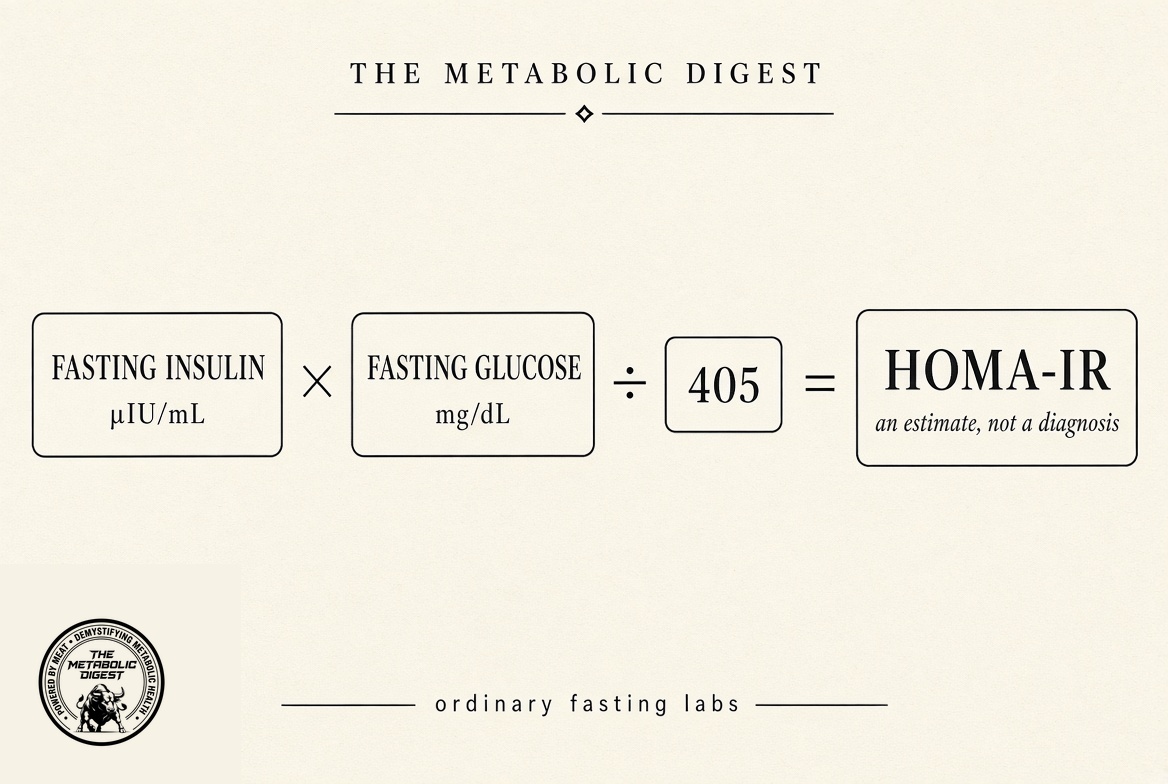
A clinician’s guide to therapeutic carbohydrate reduction
These articles are for information only. They are not medical advice, diagnosis, or treatment. Read the full disclaimer.
Informational only — not medical advice.
Bottom line first
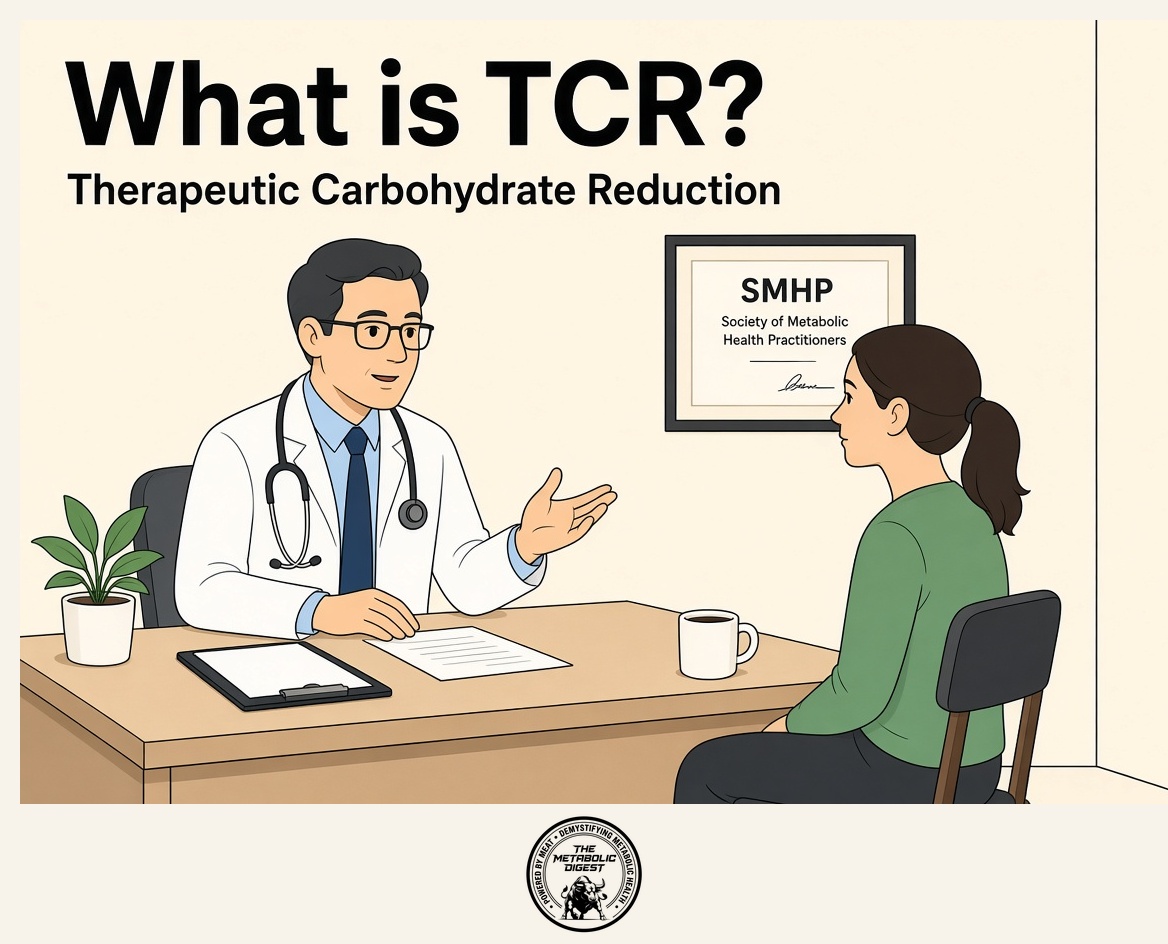
The Society of Metabolic Health Practitioners published a peer-reviewed Delphi guideline on implementing therapeutic carbohydrate reduction for metabolic disorders. The goal is to give clinicians a practical framework for using carbohydrate reduction as a therapeutic tool. The details, the tools, and the practitioner directory live on the SMHP site.
What the paper is for
The paper is a consensus guideline for clinicians. It updates an earlier expert-panel document that SMHP posted in 2019. The new version used a formal Delphi process, added newer references, and went through peer review. It is open access.
The stated aim is to support the use of therapeutic carbohydrate reduction in metabolic disorders. The authors describe a whole-food approach centered on protein, fats from whole foods, and vegetables that can be adapted to different cultures, preferences, clinical circumstances, and therapeutic goals. They present it as safe and effective for a range of metabolic disorders, with growing evidence for MASLD and CKD and emerging evidence for PCOS. Adaptation effects are described as generally mild, short-lived, and easily managed.
This is published opinion from a panel of clinicians. They did not grade the evidence. Agreement is not proof. That framing is already on the site in the week of 11 October 2026 insight (week of 11 October 2026 insight).
Carbohydrate range
Therapeutic carbohydrate reduction is defined as the deliberate reduction of dietary carbohydrates for therapeutic purposes. In the paper it is typically defined as less than 130 grams of carbohydrate a day (under 26 percent of total energy intake). There is no standardized TCR approach. The paper lists tiers drawn from the literature: low-carbohydrate at 50–129 grams a day and ketogenic at under 50 grams a day with ketones above 0.5 mmol/L. The appropriate level is chosen to meet the person’s therapeutic goals. The exact amount differs among individuals.
How the panel was built
A 10-person steering committee that includes SMHP board members ran the process. The panel started at 18 and finished at 16. There were three revision rounds, then an anonymous survey on 18 summary statements. Twenty-six of 28 people responded. All 18 statements cleared the preset 70 percent threshold. Fifteen were unanimous. Three reached 96 percent. The authors note the search was targeted and non-systematic, and that no formal evidence grading was applied.
Steps a clinician takes
Before starting, the guideline calls for a baseline comprehensive metabolic panel and a fasting lipid panel. Advanced lipids (NMR or ApoB) are optional.
A standard comprehensive metabolic panel typically includes electrolytes, kidney markers, liver enzymes, glucose, and protein measures. A fasting lipid panel typically includes total cholesterol, LDL-C, HDL-C, and triglycerides.
Absolute contraindications are rare and center on certain inborn metabolic disorders. A caution table lists conditions that need specialist management. The paper notes that some of those cautions rest on a lack of data rather than proven harm. Medication adjustments are described with clinical-experience examples, especially for insulin, blood pressure drugs, and psychiatric medications. Non-prescribers are directed to involve someone who can change prescriptions. Food guidance stays with whole foods. Follow-up includes monitoring adaptation effects and supporting the person long term. A patient glucose log is included in an online appendix.
Research gaps the authors name include different stages of kidney and liver disease, children, and type 1 diabetes.
How to deploy it
The full implementation guide, the open-access paper, and the companion materials are on the SMHP site. Start with the TCR Implementation Guide. The announcement is here: A major step forward for therapeutic carbohydrate reduction.
Clinicians who want to find or refer to someone already using this approach can use the practitioner directory. The accreditation process and the application page are public. Free training is listed in the Free Training Library. Handouts for practitioners and patients are under practitioner tools and patient tools. A statement of support is also on the site.
The SMHP frames the audience as the curious, the cautious, and the experienced clinician, and closes the announcement with an ask to share the guideline with a colleague.
What this page is not
This page does not restate the full guideline. It does not grade the evidence the panel did not grade. It does not claim the consensus is a trial. The steps, the tables, the medication examples, and the tools are on the SMHP site. This page points there.
Do some thoughtful research. Your health, your responsibility.
The Metabolic Digest is an educational library about metabolic health and whole-food, animal-based ketogenic nutrition. Nothing on this site is medical advice, diagnosis, or treatment. Food, fasting, sleep, and training changes can affect medications, especially drugs that lower blood glucose. Individual responses vary. Consult a clinician who understands metabolic health before you change how you eat, train, fast, or read your labs. Your health is your responsibility.
Continue exploring
Related reading.
Insulin & Hormones
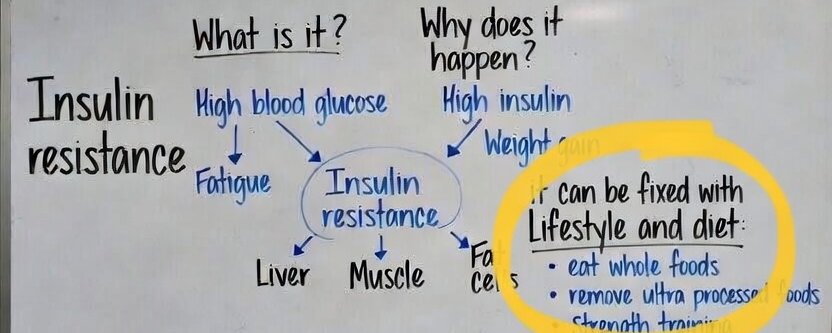
What is Insulin Resistance… and why should you care?

Labs & Language
A lipid panel is a picture, not a verdict