
What Intermittent Fasting Really Is and Why It Helps
These essays are for information only. They are not medical advice, diagnosis, or treatment. Read the full disclaimer.
Bottom Line First:
Intermittent fasting is one of the simplest and most powerful tools for improving metabolic health. It lowers insulin, helps your body burn stored fat for fuel, gives your digestive system a break, and allows natural repair processes to work.
Medical Disclaimer. This information is for educational purposes only and is not medical advice, diagnosis, or treatment. Always consult a qualified healthcare professional before making changes to your diet, lifestyle, fasting practices, or medications. Do not stop or change any prescribed treatment without your doctor's guidance. Individual responses vary, and what works for one person may not be safe or effective for another.
Intermittent fasting...
...simply means not consuming anything that would trigger a metabolic or digestive response. In practical terms, this means avoiding anything that raises insulin or starts the cascade of enzymes your gut uses to break down food. Water and electrolytes are necessary during fasting. Black coffee and plain tea are optional if desired. Even though fat doesn’t cause a notable insulin response, it still requires enzymatic digestion, so it technically breaks a true fast.
Most people think of fasting as just not eating. The real benefit comes from giving your body an extended break from the metabolically expensive process of digestion. Depending on the meal, complete digestion time can vary. That’s why eating highly bioavailable foods (like those from animal-based whole foods) can be absorbed quicker and processed faster by the body.
Why Intermittent Fasting Works So Well
When you eat — especially carbohydrates or protein — your pancreas releases insulin. Constant eating keeps insulin elevated, signaling your body to store fat and making it harder to burn stored body fat. Even though fat doesn’t cause a notable insulin response, it still requires enzymatic digestion and therefore interrupts a true fast.
During a fasting window, insulin drops naturally. Your body switches from “fed” mode to “fasted” mode. The liver starts producing ketones, and your cells become better at using fat for fuel. This improves insulin sensitivity and reduces inflammation.
Even more importantly, prolonged fasting gives your digestive tract — primarily the small and large intestine — time to rest and repair itself. When digestion is paused for longer periods, your body can perform autophagy — a natural “clean-up crew” process where cells break down and recycle old, damaged parts. Think of it like your body taking out the cellular trash and doing deep maintenance.
Common and Effective Ways to Start
Simple options that pair well with an animal-based whole food diet:
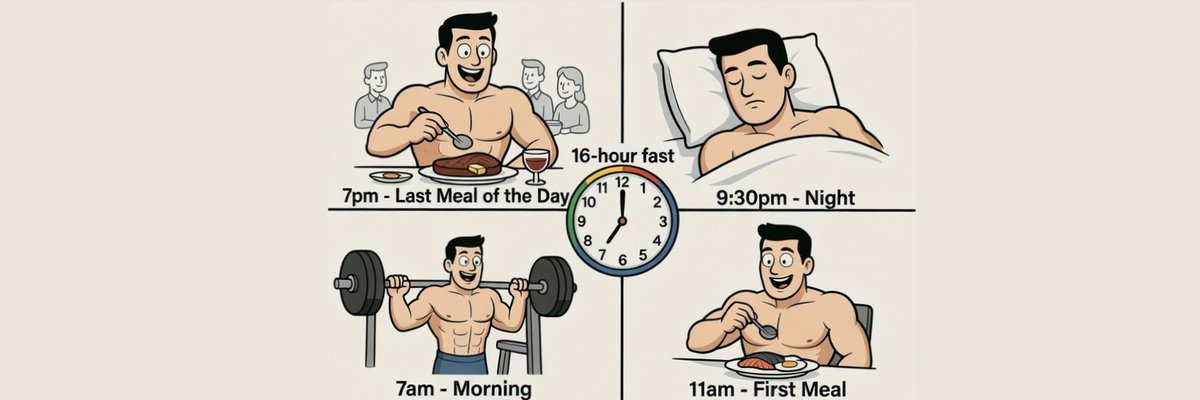
16/8 Method – Fast for 16 hours, eat within an 8-hour window (example: finish dinner by 7 pm, first meal at 11 am).
18/6 or 20/4 – Slightly longer fasts once you’re comfortable.
One Meal a Day (OMAD) – A single, satisfying meal, often in the evening. This is an advanced option; if you’re new, start with 12–16 hours overnight and gradually extend as your body adapts.
How to Make Intermittent Fasting Easier on an Animal-Based Whole Food Diet
Stay hydrated with water — it is absolutely necessary.
Add electrolytes (also necessary) during fasts incrementally and adjust to your preference and how you feel.
Black coffee and plain tea are optional if desired.
Break your fast with protein and natural fat (eggs, steak, salmon) for better satiety.
It is just as important to end your fast with a low-carb meal as it is to start the fasting period with one. Breaking your fast with high-carb or ultra-processed food is not ideal and could lead you to overconsume unhealthy, misbalanced macro foods.
Listen to your body — don’t try to do too much too quickly. Start with a smaller window (include your sleeping time) and progress from there.
Easy Actionable Steps You Can Start Today
Choose a simple fasting window (start with 12–16 hours overnight, including your sleeping time).
Make sure your last meal before and first meal after the fasting period are not high-carb.
Finish eating at least 2–3 hours before bed to support better sleep and lower insulin.
During the fast, drink water and add electrolytes incrementally as needed.
Break your fast with a high-protein, high-fat animal-based whole food meal.
Consult a professional metabolic health practitioner to guide you if you need personalized support.
Track how you feel after 1–2 weeks and adjust the length based on your energy and hunger.
More resources to explore:
Dr. Jason Fung – practical guides on fasting and insulin
Dr. Ben Bikman (@BenBikmanPhD) – how fasting affects fat metabolism
Dr. Paul Mason (@DrPaulMason) – fasting combined with low-carb eating
Follow @metabolicdigest on X for more threads on insulin, protein, and real-food approaches
Final Thought
Intermittent fasting isn’t about suffering or starving. It’s simply giving your body regular breaks from digestion so it can burn stored fat, repair itself through autophagy, and restore metabolic balance. When you fast, you also learn more about your body’s true satiety signals. Hunger for food and cravings are different things — hunger is a natural physiological need, while cravings are often driven by dopamine-seeking habits or blood-sugar swings.
Stay inquisitive, do your own research, and be skeptical of mainstream or expert advice that fears fasting, overcomplicates it, and makes it dogmatic.
Work with a knowledgeable healthcare professional who understands metabolic health to make sure it fits your individual needs.
This is part of The Metabolic Digest series — clear, practical explanations to help you understand and improve your metabolic health through ketogenic and animal-based whole foods.
This article is for informational purposes only. Full disclaimer: /disclaimer
Your health, your responsibility.
Continue exploring
Related reading.

Insulin & Hormones
Why Counting Calories Doesn’t Work – And What Actually Does